
Mingle Mocktails, the #1 non-alcoholic RTD cocktail brand, is here to celebrate choice and spirit, whether people choose not to booze for a day, week, or forever. Mingle wants to foster inclusion, social connection, and fun to include everyone, whether or not they choose to drink. These non-alc canned cocktails are crafted with clean ingredients, designed for every occasion, offer bold, beautifully balanced flavors, and are gluten-free, vegan, and low in calories and sugar. Mingle Mocktails are to be enjoyed on their own or as a mixer to include everyone at the party. Let’s Mingle!
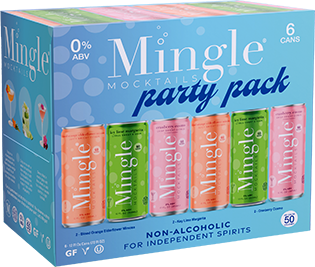
Mingle Mocktails Party Pack
Enjoy a mix of Mingle’s top three party starters, perfect for any occasion: Blood Orange Elderflower Mimosa, Cranberry Cosmo, and Key Lime Margarita. This non-alc, low-calorie, pre-mixed variety pack elevates mocktail moments with something for every taste.
Style: Variety Pack
Package: 12 oz. cans (4/6)
Now available in Berks, Bucks, Chester, Delaware, Lancaster, Lehigh, Montgomery, Northampton & Philadelphia Counties
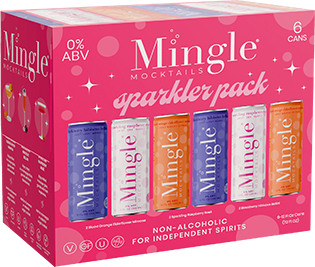
Mingle Mocktails Sparkler Pack
The Mingle Mocktails Sparkler Pack contains three festive wine mocktail flavors that add sparkle to any occasion: Blood Orange Elderflower Mimosa, Blackberry Hibiscus Bellini, and Sparkling Raspberry Rosé.
Style: Variety Pack
Package: 12 oz. cans (4/6)
Now available in Berks, Bucks, Chester, Delaware, Lancaster, Lehigh, Montgomery, Northampton & Philadelphia Counties
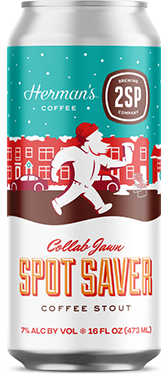
2SP Spot Saver Coffee Stout
This rich and robust strong stout is blended with South Philly’s own Herman’s Coffee. A special winter blend, this jawn features Bali, Sumatra, and Mexican coffee blends. Big, rich coffee flavors of dark fruit and the subtle floral notes from the coffee blend with the chocolatey smooth stout base.
ABV: 7%
Style: Coffee Stout
Packages: 1/6 kegs, 16 oz. cans (6/4)
Now available in Bucks, Chester, Delaware, Montgomery & Philadelphia Counties
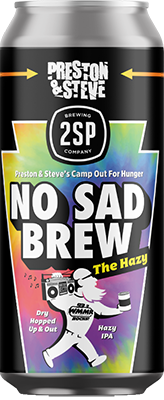
2SP No Sad Brew The Hazy
No Sad Brew The Hazy is a dry-hopped version of 2SP’s best-selling Up & Out Hazy IPA, made with Hallertau Blanc, Experimental #630, Mosaic, and Citra hops. At 6% ABV, it’s a more fruit-punchy version of Up & Out. A portion of the can sales will go to Preston & Steve’s Camp Out for Hunger benefitting Philabundance and donations of non-perishable food items are being collected at 2SP and all Two Stones locations, helping feed local families through Philabundance’s food bank during the holidays.
ABV: 6%
Style: Hazy IPA
Packages: 1/2 kegs, 1/6 kegs, 16 oz. cans (6/4)
Now available in Bucks, Chester, Delaware, Montgomery & Philadelphia Counties
Dogfish Head Ancient Ales Midas Touch
Midas Touch was the first beer in Dogfish Head’s Ancient Ales series. This sweet yet dry beer is made with ingredients found in 2,700-year-old drinking vessels from the tomb of King Midas. Somewhere between beer, wine, and mead, Midas Touch will please the chardonnay and beer drinker alike. Dogfish Head worked with Biomolecular Archaeologist Dr. Patrick McGovern to bring Ancient Ales to life. Dr. Pat has unfortunately passed away, but Dogfish will continue to honor his legacy by re-brewing this iconic beer.
ABV: 9%
Style: Ancient Ale
Package: 1/6 kegs
Now available in Berks, Bucks, Chester, Delaware, Lancaster, Lehigh, Montgomery, Northampton & Philadelphia Counties
Dogfish Head Xocolatl World Wide Stout
Inspired by an ancient Aztec drink, Dogfish Head is offering their beloved behemoth of a stout aged on roasted cocoa nibs, whole Madagascar vanilla beans, cinnamon verum quills, Cobanero chilies, and black Urfa chilis. Notes of rich chocolate and vanilla meld with a complex blend of earthy, fruity, and mildly spicy chilis, resulting in a singular tipple to warm the soul.
ABV: 15%
Style: Imperial Stout
Package: 1/6 kegs
Now available in Berks, Bucks, Chester, Delaware, Lancaster, Lehigh, Montgomery, Northampton & Philadelphia Counties
Weyerbacher Dallas Sucks Draft
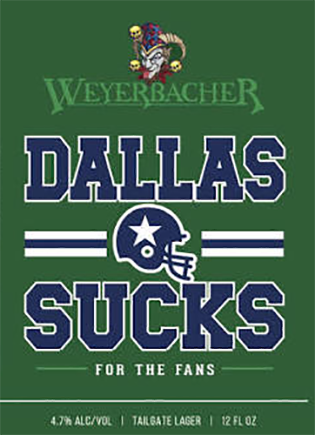
This one’s for the FANS! Dallas Sucks is a tailgate lager that’s brewed with American 2-row pale malt, a touch of specialty grains, and citrusy Centennial hops for a crushable brew that drinkers can enjoy all day, or game day, long!
ABV: 4.7%
Style: Lager
Package: 1/2 kegs
Now available in Berks, Bucks, Chester, Delaware, Lehigh, Montgomery, Northampton & Philadelphia Counties
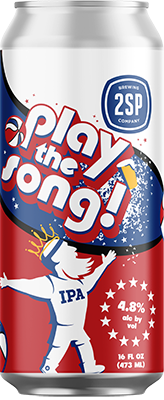
2SP Play the Song
The King is here! To kick off the highly anticipated Sixers season 2SP is releasing a limited IPA coming in at 4.8%. Made with Idaho 7 and Galaxy hops, expect a bright, melon hazy that can go all four quarters.
ABV: 4.8%
Style: IPA
Packages: 1/2 kegs, 16 oz. cans (6/4)
Now available in Berks, Lancaster, Lehigh & Northampton Counties
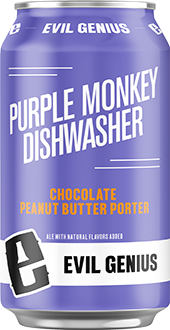
Evil Genius Purple Monkey Dishwasher
Do you like chocolate and peanut butter but hate all that pesky chewing? Give your teeth a vacation with Evil Genius’ rich, full-bodied chocolate peanut butter porter.
ABV: 6.7%
Style: Porter
Package: 12 oz. cans (4/6)
Now available in Berks, Lancaster, Lehigh & Northampton Counties